Buying a new home involves hundreds of decisions. Facades, floor plans, kitchen configurations, ceiling heights, finishes, fixtures, upgrades. Most of these are still being made the same way they have been for decades: through conversations, static brochures, sample boards, and renders that show one version of a home that does not yet exist.
That process is genuinely difficult for homebuyers making one of the largest decisions of their lives, and it creates a ceiling on how far a sales conversation can progress before uncertainty takes over. The gap between what a buyer pictures and what gets built does not disappear when the contract is signed. It resurfaces later, as a change order, a delay, or a buyer who arrives at handover expecting something slightly different from what they agreed to.
Why seeing options in context changes the decision
Showing a buyer a tile sample or a cabinet door swatch does not answer the question they are actually trying to answer: what will this look like in my home? That question has a specific answer once options are shown in context and applied to the actual surfaces of the design under consideration, at the correct scale, in the rooms the buyer will occupy.
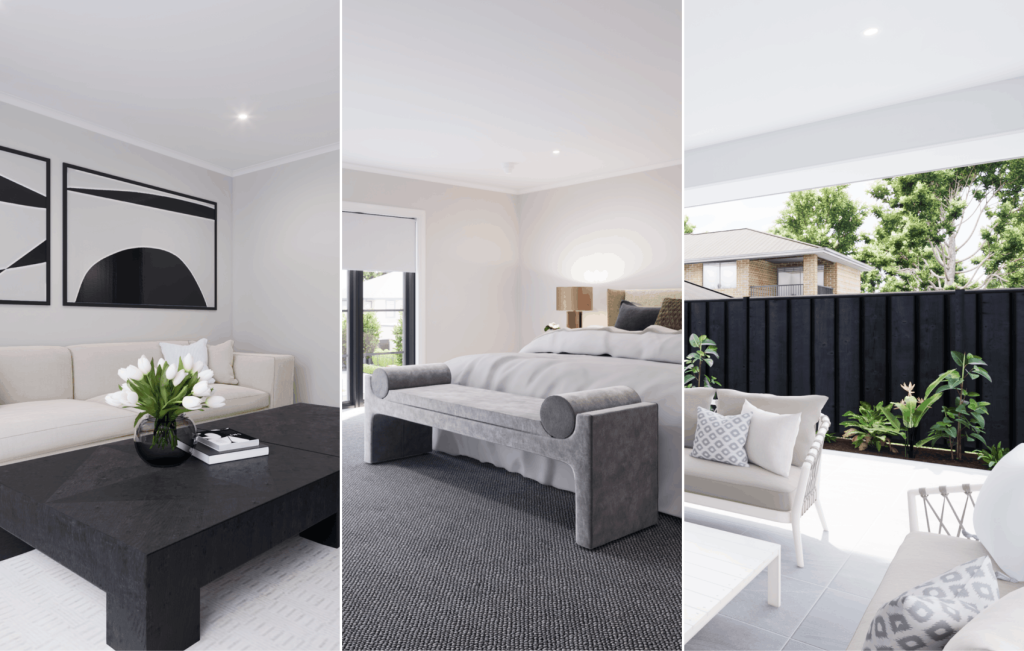
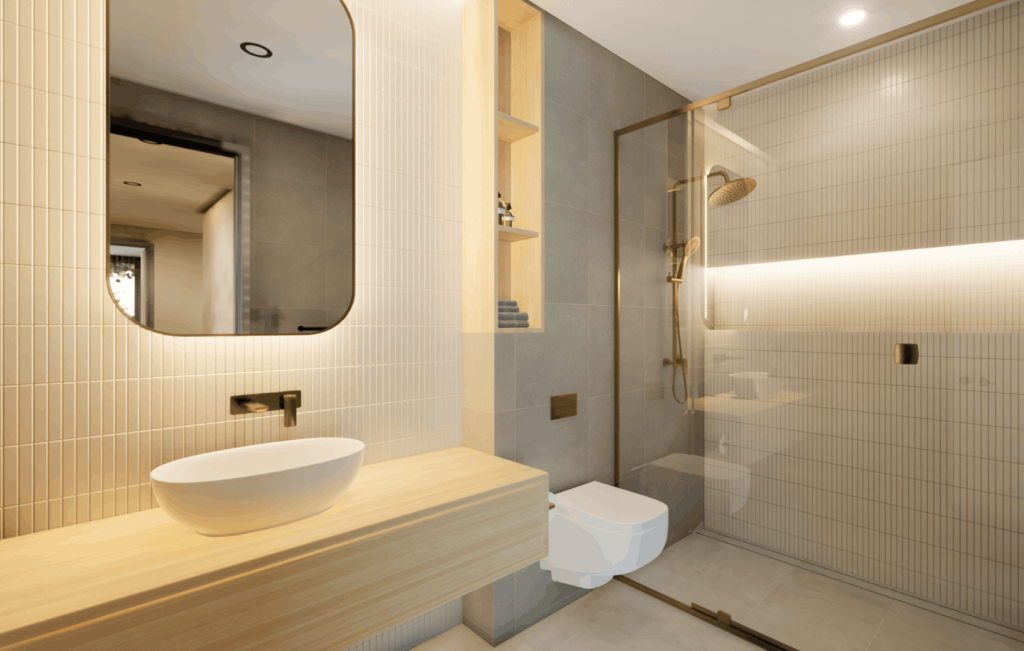
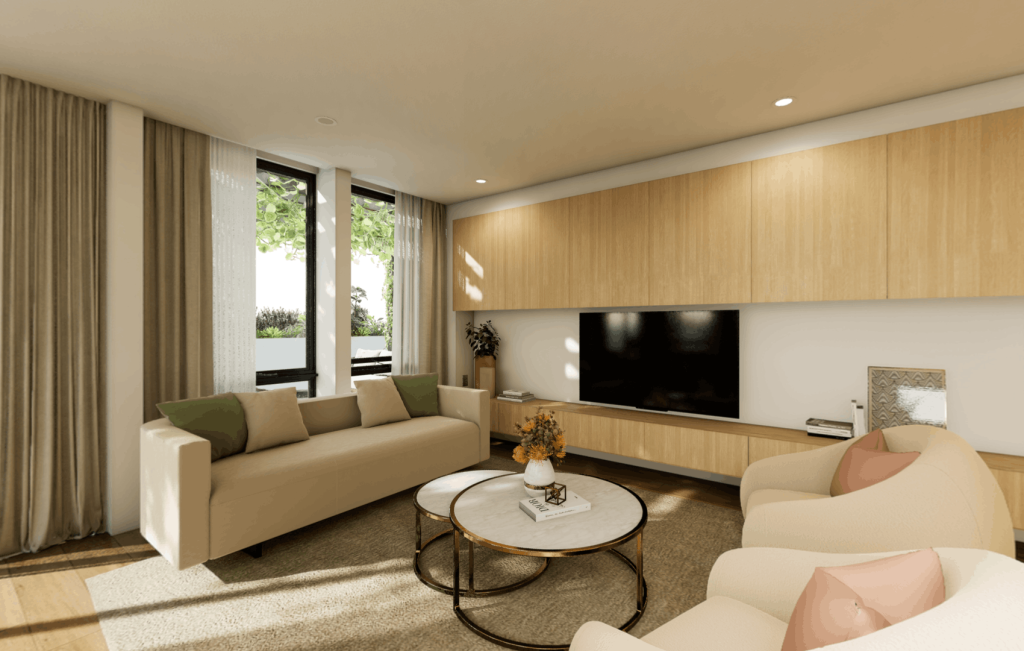
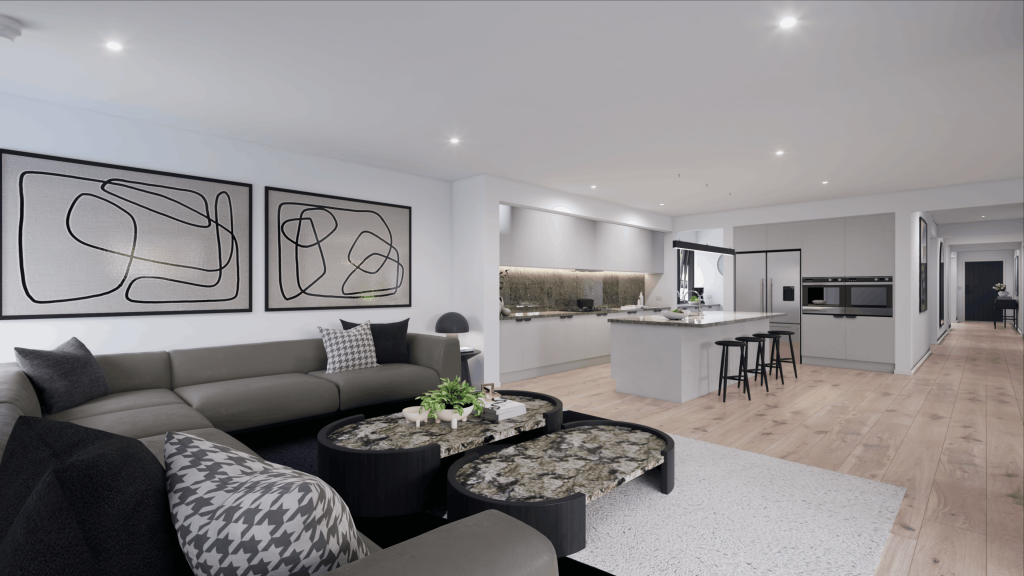
Away Digital Home is built for exactly this. Buyers navigate a photorealistic, fully interactive version of their home, switching between facades, comparing floor plan options (and how different options work together), applying finishes to actual surfaces, and watching pricing update live as they make each selection. Choices that felt abstract become concrete. Upgrades that seemed hard to justify become obviously desirable once a buyer can see how much better it looks in their own kitchen. Decisions that would previously have required a follow-up appointment can be resolved in the room.
The problem with verbal selling and static brochures
A sales consultant can describe an open-plan kitchen, explain the difference between a 2550mm and a 3000mm ceiling height, and talk through the benefits of a different facade elevation. Description is a necessary part of the conversation.
Static brochures and renders compound the problem by showing buyers one configuration, one selection package, one perspective. If a buyer is interested in a different facade, a different floor finish, or a different kitchen layout, they are asked to imagine it, and most struggle to do so accurately which can account for rework. For homebuilders operating on tight margins and timelines, every change of order adds complexity and uncertainty into the process.
Why buyers struggle more than most sales teams expect
Spatial reasoning: the ability to mentally translate a floor plan or a sample board into a lived experience of a finished room, is not evenly distributed. Some buyers can look at a plan and picture exactly how the space will feel. Most cannot, and when buyers cannot visualize clearly, they hesitate, request follow-up appointments, or quietly disengage.
According to NAHB’s What Home Buyers Really Want, today’s buyers are increasingly focused on personalizing their home rather than accepting a standard package, and they are becoming more particular about what that means. That specificity raises the stakes of every selection decision. A buyer who knows precisely what they want but can’t put it together mentally with limited materials available creates guesswork, and that guesswork does not vanish, it moves downstream only to surface later as a change order or a frustrated handover conversation.
Where it makes the biggest difference
Facade and elevation options.
Buyers who cannot explore facade and elevation options in context often move on before a conversation begins. When they can switch between facades and elevations on their actual home and see the result immediately, the decision becomes easier and considerably faster.
Ceiling height upgrades.
The difference between a 2550mm and a 3000mm ceiling is genuinely difficult to convey in words. Buyers who can be shown on a screen the difference in ceiling height live, understand the value without needing to be talked into it.
Kitchen layouts and floor plan flow.
The relationship between an open-plan kitchen and the living space it connects to is not visible on a plan. Buyers who navigate a layout in first person experience that relationship directly, feel the connection between the kitchen and the alfresco, and know immediately whether the flow suits how they intend to live.
Finishes and material combinations.
A benchtop sample looks different in isolation than it does against the cabinetry and flooring it will sit beside. Buyers who apply combinations to their actual kitchen and see the result make more confident selections and are substantially less likely to revisit them. Welcome Homes’ research puts the cost of change orders on a typical new home build at 5% to 10% of total contract value, a figure that drops when buyers have confirmed their choices visually before signing.
Upgrade inclusions.
When a premium finish or an upgraded inclusion is shown in context, the question shifts from whether the upgrade is worth justifying to how can we not choose that upgrade. An upgrade by definition looks better. A great way to get the homebuyer to choose the upgrade is to show them. Away Digital Home has consistently shown that it drives higher upgrade uptake.
10 upgrade categories buyers should be able to visualize
- Facade and elevation options
- Roof style and color
- Ceiling height variations
- Kitchen layout configurations
- Benchtop and splashback combinations
- Floor finish options across open-plan areas
- Cabinetry color and hardware
- Bathroom tile and fixture selections
- Internal door and window styles
- Alfresco and outdoor connection options
If a buyer cannot see any of these in the context of their actual design before signing, they are making an assumption. Some will hold. Others will become change orders.
How your sales and marketing teams benefit
Away Digital Home is designed so your consultants spend less time explaining words and more time responding to preferences that are already visible on screen. Your marketing team gains a complete visual asset library generated from the same platform: renders, cinematic videos, and 360 tours, produced without a separate production brief.
Buyers do not hesitate because they are uncertain about whether they want a home. They hesitate because they are uncertain about what they are choosing, and that uncertainty is a direct function of the tools they are given. When options are visible, comparable, and clearly priced, decisions progress, and the process that follows is faster and more valuable for everyone involved.