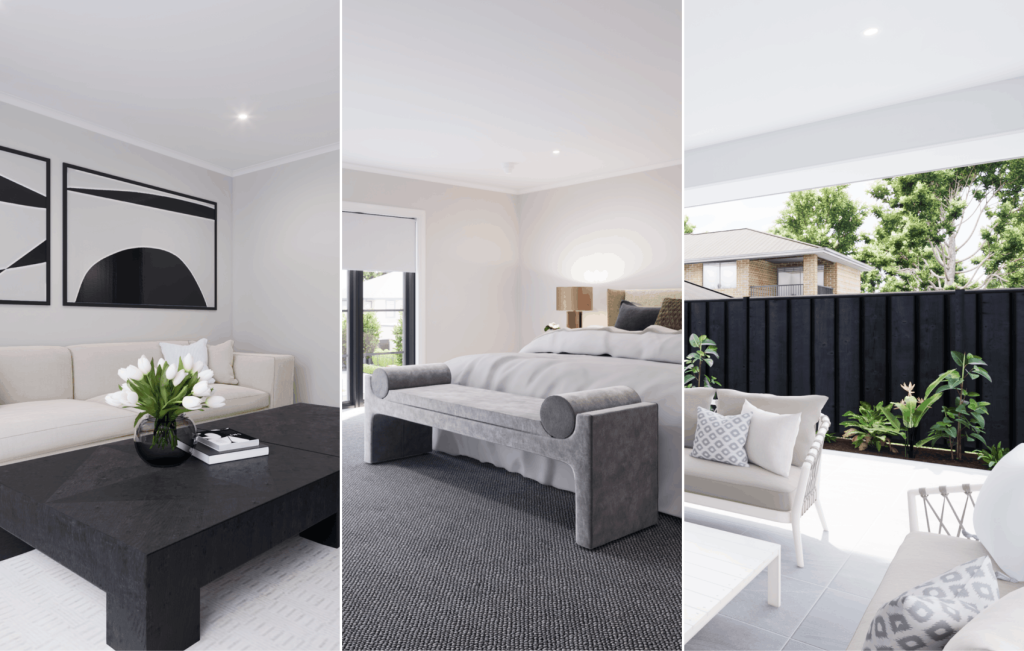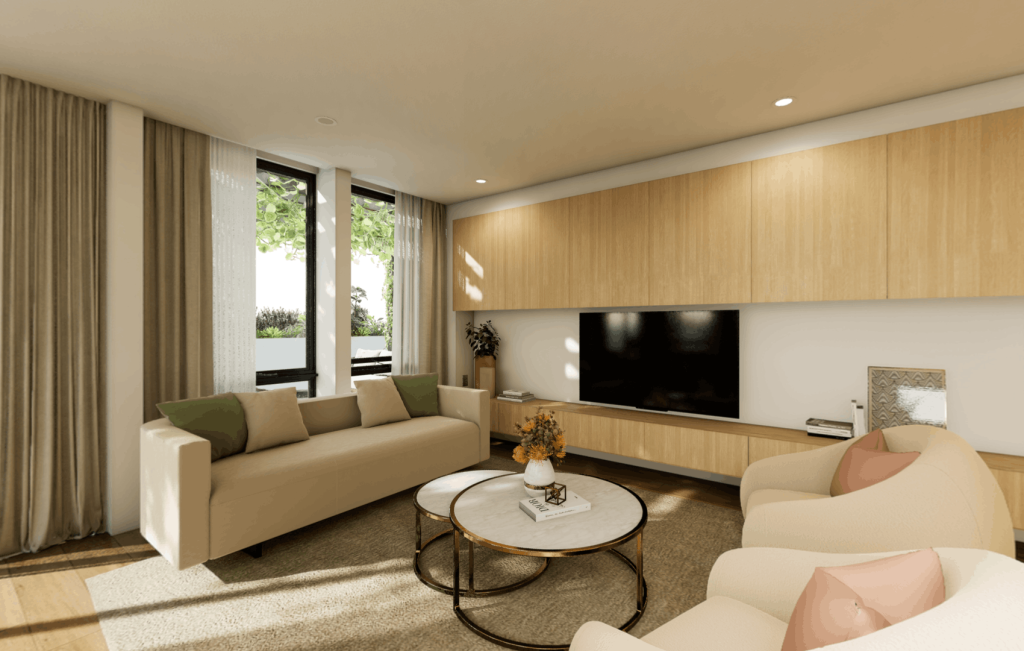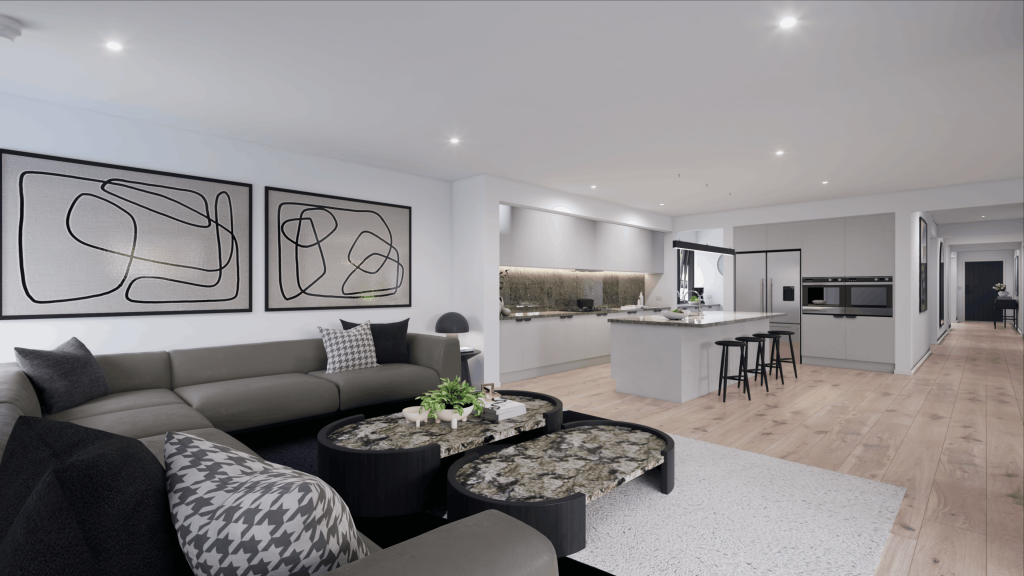
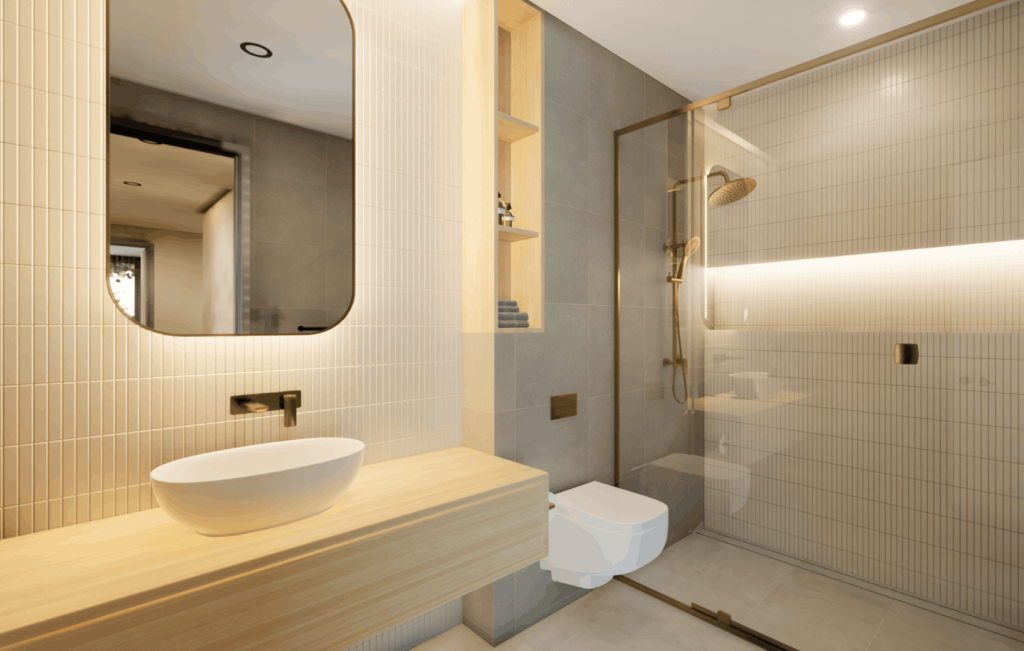
Most homebuilders can tell you how many leads came in last month. Far fewer can tell you which facade buyers actually preferred once they had the chance to compare it against three others, or which upgrade category gets explored repeatedly but rarely confirmed. That second category of information is harder to come by because it depends on buyers doing something more specific than filling out a form. It depends on them making choices, and someone capturing what those choices were.
This is the part of the buyer journey that has historically gone unmeasured. A display home visit generates a name and a vague sense of interest. A brochure download generates an email address. Neither tells a builder anything about what the buyer actually wanted, what they hesitated over, or what almost convinced them and didn’t quite. Interactive digital experiences close that gap, because every facade swapped, every finish applied, and every option abandoned mid-decision is a piece of information that did not exist before.
What interaction data actually reveals
The value sits in the difference between what buyers say they want and what they demonstrably spend time considering. Surveys and consultations capture stated preferences. A buyer tells a consultant they love a particular facade because it is the polite thing to say in the room, or because it is the one they remember most clearly afterward. Interaction data captures revealed preference instead. It records what a buyer actually clicked on, returned to, lingered over, or changed their mind about, independent of what they later say in conversation.
That distinction matters because revealed preference is generally the more honest signal. A buyer who toggles between two facades four times before settling on one is telling you something about how close that decision was. A buyer who applies a premium benchtop, then reverts to the standard option, then goes back to the premium one again, is communicating genuine uncertainty about whether the upgrade is worth it, in a way no survey question would capture as precisely.
What this looks like in practice
A handful of patterns tend to surface quickly once interaction data is being captured properly.
Some facades or floor plan variants get selected far more often than others, independent of how they are positioned in marketing. That is useful information on its own, but it becomes more useful when paired with which combinations buyers return to compare side by side, since that comparison behavior often reveals close competitors that marketing has not been treating as such.
Abandoned options are equally telling. A buyer who opens the upgrade menu for ceiling height, looks at the visual change, and closes the menu without applying it has expressed interest without conversion. That is a different signal than a buyer who never opened the menu at all, and the two should not be treated the same way in a follow-up conversation.
Engagement also varies significantly by room. Kitchens and primary bedrooms tend to hold attention longer than utility spaces, which is intuitive, but the degree of variation and which secondary spaces buyers spend unexpected time in is often specific to a builder’s own designs rather than something that can be assumed from industry norms.
Finally, repeat combinations matter. When the same facade, floor finish, and kitchen benchtop keep appearing together across different buyer sessions, that combination is functioning as a default the market is gravitating toward, whether it has been packaged and priced as one.
What this means for sales
The most immediate use of this data is in how a consultant prepares a follow-up conversation. A buyer who has spent the bulk of a session adjusting kitchen finishes and barely touched the facade options is signaling where their attention and likely decision-making energy is concentrated. A consultant walking into that conversation already knowing this can skip the general orientation entirely and start where the buyer actually is.
The same data also helps prioritize which leads get a personal follow-up call versus an automated nurture sequence. A session that ended with a buyer comparing two fully configured options side by side is a different quality of lead than one where a buyer briefly opened the platform and left. Treating the same way in a sales queue wastes the more promising momentum.
What this means for marketing
Marketing teams typically optimize campaigns around clicks and form fills, which are useful but shallow signals. Interaction data lets a campaign be evaluated on what happened after the click, not just whether it occurred. A campaign driving traffic that goes on to configure homes in meaningful depth is doing a fundamentally different job than one driving traffic that bounces after a single screen, even if the two campaigns have identical cost-per-click figures.
This level of visibility is still rare in the industry. According to Buildern’s 2026 residential construction marketing report, roughly 40% of residential builders still lack a unified system for tracking ROI across campaigns, which makes it difficult to connect marketing spend to the contracts it eventually produces. Interaction data from a digital home platform is one of the more direct ways to close part of that gap, because it ties specific traffic sources to specific downstream behavior rather than just a lead count.
What this means for product and inclusions strategy
Perhaps the least obvious application is in how a builder structures inclusions and upgrade packages in the first place. If a particular upgrade is opened frequently but rarely confirmed, that is a pricing or packaging problem worth investigating rather than a marketing problem. If two finishes are consistently selected together even though they are sold separately, there may be a bundling opportunity that reflects actual buyer behavior rather than an internal assumption about what goes well together.
The same applies to display/model hone strategy. If interaction data consistently shows certain floor plan variants being explored in far greater depth than others, that is a reasonable input into which designs get prioritized for physical display homes, rather than relying solely on what has historically sold well in a different buyer cycle.
Governance: what to track first
It is tempting to try to capture everything at once, but the builders who get the most value tend to start narrow. The most useful starting set is usually facade and floor plan selections, time spent per room, upgrade options opened versus confirmed, and any combination of selections that repeat across multiple buyer sessions. These four categories alone are generally enough to start informing sales follow-up and marketing optimization within the first reporting cycle, without requiring a data team to interpret a sprawling dashboard.
What matters more than the breadth of what is tracked is that someone in the business is looking at it on a regular cadence and feeding it back into sales scripts, campaign briefs, and inclusion lists. Data that sits in a dashboard nobody opens is no better than no data at all.
Away Digital Home generates this layer of insight as a byproduct of the buyer’s experience itself. Every session that walks a buyer through facades, floor plans, and finishes also produces a record of what they explored, returned to, and ultimately chose, available to sales, marketing, and design studio teams through the builder portal’s analytics dashboard. This is how other builders are increasing their market share and gaining an edge on their incoming data.