For decades, model homes have helped homebuilders present new homes in a tangible way, giving homebuyers the opportunity to experience scale, space and build quality before making a decision.
As digital technology advances, homebuilders now have more ways to support that experience. Interactive 3D gives homebuyers access to designs and options before construction is complete, helping them understand the product earlier and move through decisions with greater clarity.
For homebuilders, this creates an opportunity to reconsider how physical and digital experiences work together across the homebuying journey.
What can 3D visualization add to the model home experience?
A physical model home gives homebuyers a tangible experience of a specific design and specification. A 3D home configurator extends that experience across a homebuilder’s wider product range.
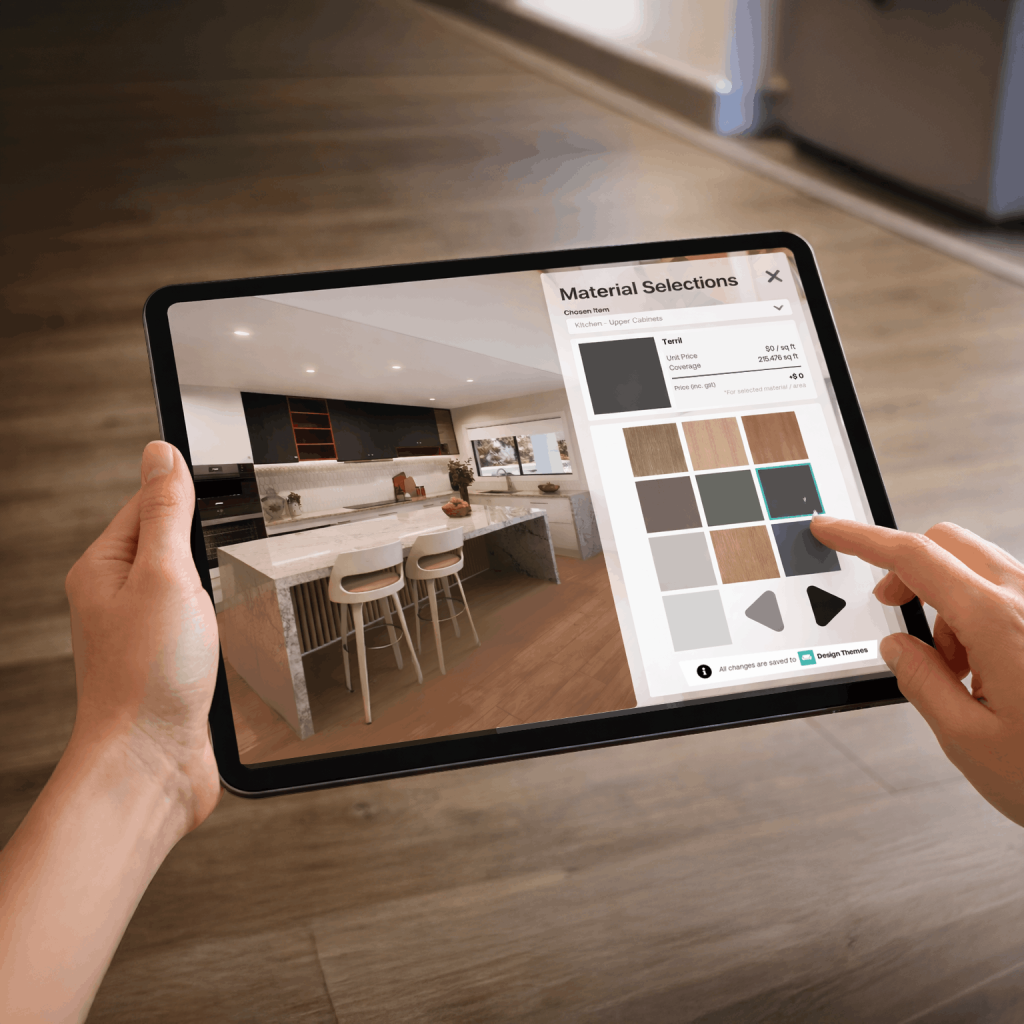
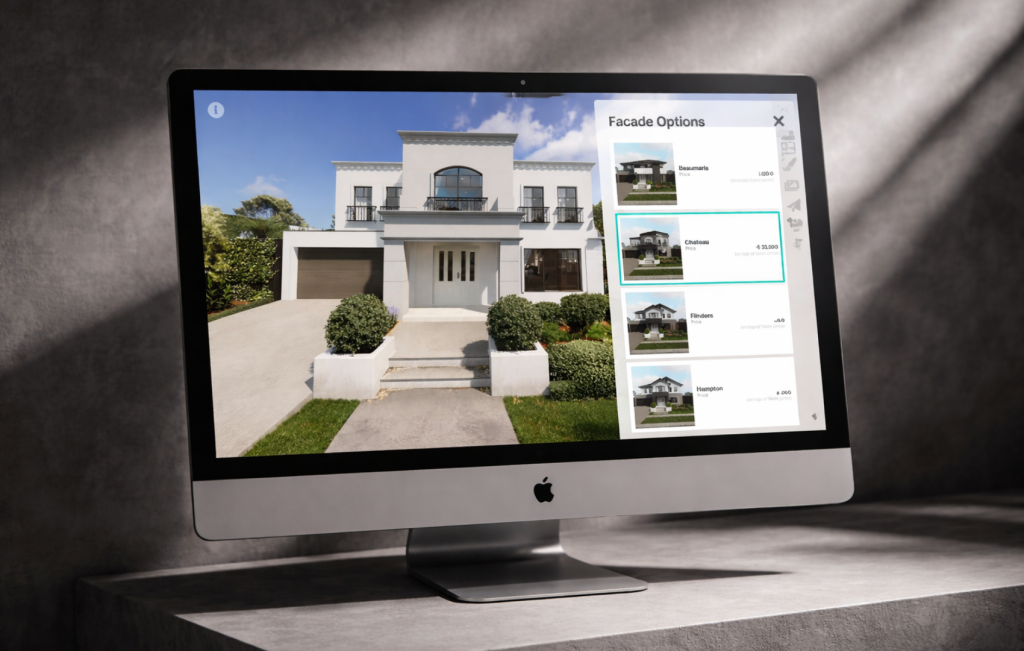
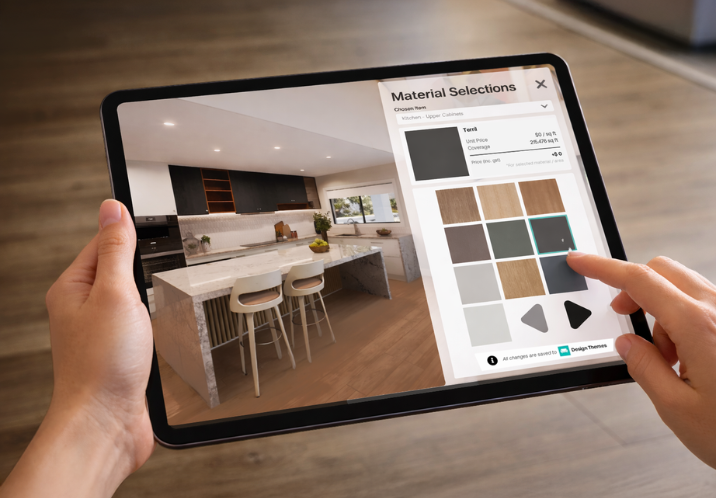
Homebuyers can explore designs without a physical model home, then personalize elevations, floor plans, structural options, colors, fixtures and finishes in real time. Unlike a static rendering, the experience changes with each selection.
Pricing can also update instantly as combinations change, helping homebuyers understand both what their choices will look like and how they fit within their budget.
For homebuilders, this creates a digital representation of product combinations that would be impractical to recreate across physical model homes.
Can homebuilders start selling before a model home is complete?
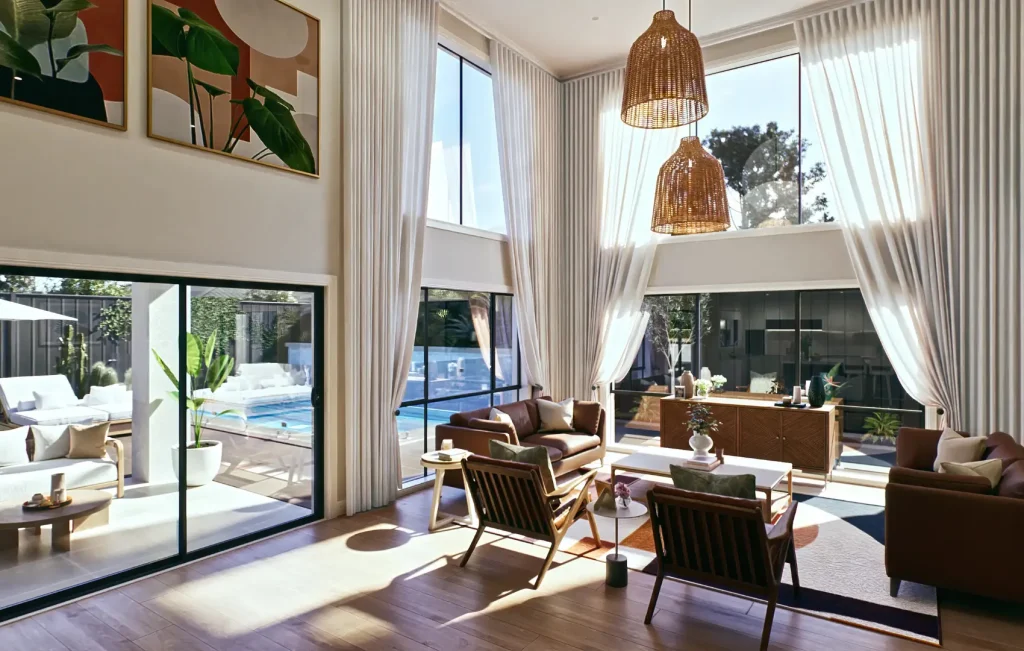
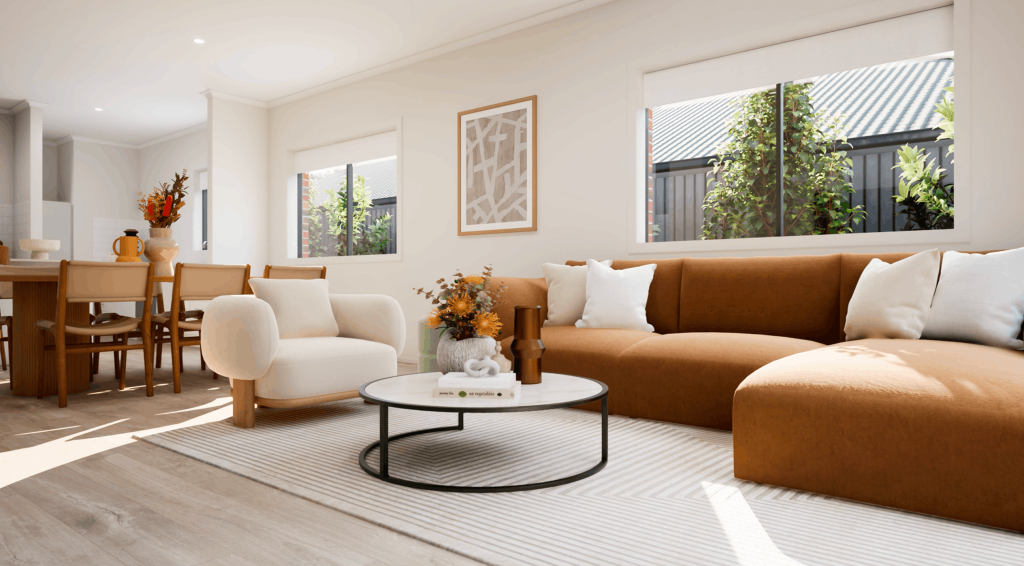
A 3D home configurator can give marketing and sales teams a complete visual representation of a new design before the physical model is ready. That allows homebuilders to introduce new homes earlier, support pre-launch marketing and begin sales conversations while construction is still underway.
Homebuyers can also access the experience from desktop, tablet or mobile, making the home available to explore beyond the physical sales center.
How can a 3D home configurator support sales conversations?
When a homebuyer is considering something different from the physical model home, sales teams often need to explain those differences using plans, samples and separate visual assets.
A 3D home configurator gives sales consultants a way to demonstrate those choices directly within the home being discussed.
Homebuyers can explore alternatives during the conversation, while sales teams can guide them through the available combinations with a clear visual reference.
This gives both sides a more useful way to discuss a home that may not physically exist in that exact configuration.
What role do model homes and interactive 3D each play?
Model homes continue to offer something digital experiences cannot fully replicate: the physical experience of walking through a completed home and experiencing its scale, materials and build quality firsthand.
Interactive 3D broadens what homebuyers can explore beyond that physical display.
| Model homes | Interactive 3D | |
| Experience | Physical sense of scale, space, materials and build quality | Photorealistic digital exploration of the home |
| Range | One completed configuration per display | Multiple designs, elevations, layouts and finishes |
| Access | Experienced at a physical location | Accessible across compatible digital devices |
| Personalization | Features reflect the completed display | Available options can be changed and compared in real time |
The right balance will vary between homebuilders. Some may continue to rely heavily on a large display network, while others may use interactive 3D to represent more of their range without building a physical model for every design.
Used together, the two experiences can give homebuyers both a physical reference and greater visibility across the wider product range.
What does this look like in practice?
For homebuilders considering how interactive 3D could support their existing sales model, Shape Homes offers a practical example.
Shape Homes partnered with Away Digital Home – an interactive 3D platform built specifically for homebuilders, to digitally showcase its flagship home designs before its physical display homes were built. Away Digital Home became Shape Homes’ primary product representation tool at launch, helping the team generate interest and begin selling homes before a physical display was available.