Published February 3rd, 2026
How leading homebuilders are increasing market share with interactive digital homes
AEC industry
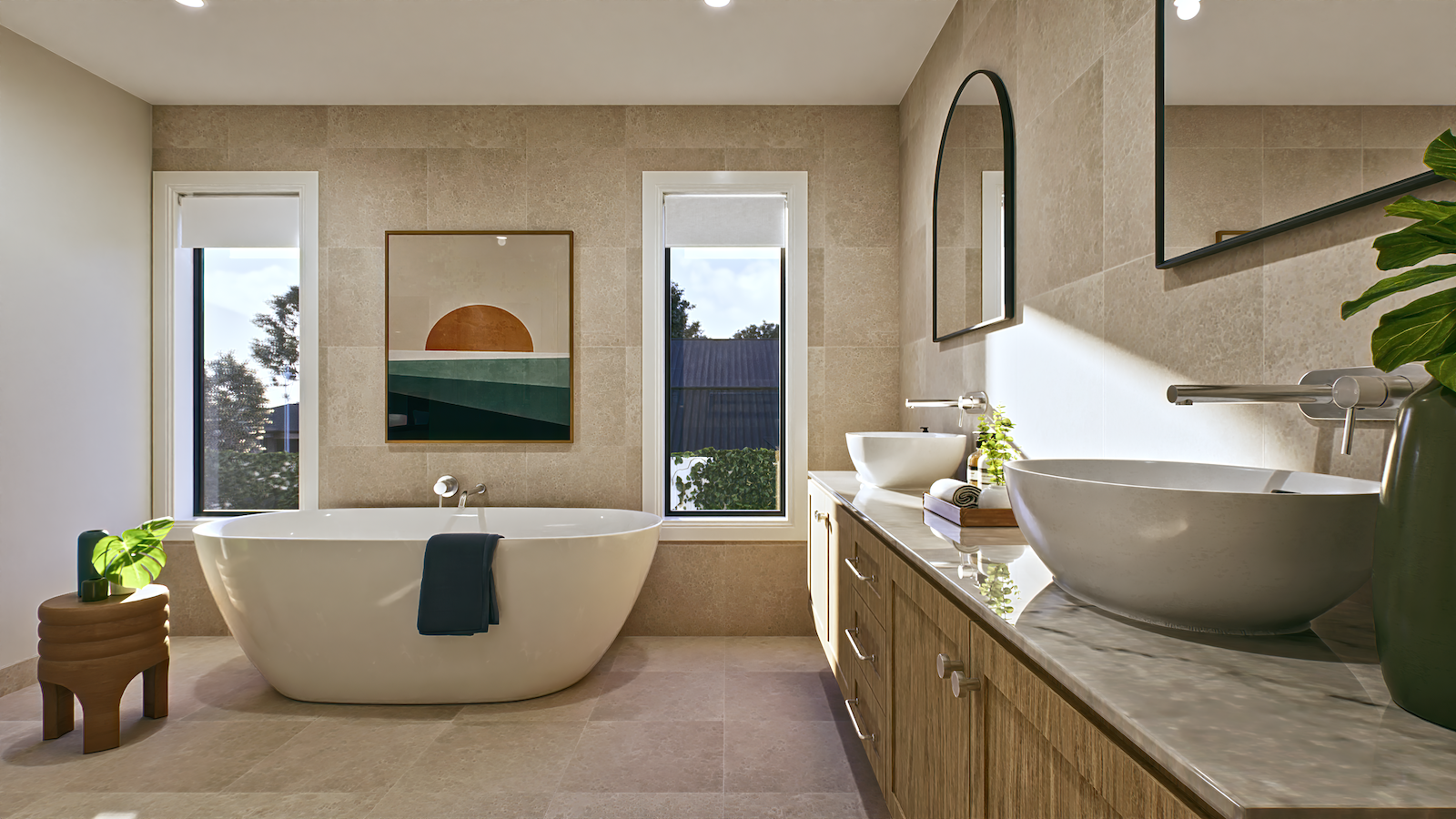
Table of contents
The past few years have been turbulent for residential homebuilders. Interest rate rises, construction cost volatility and shifting buyer confidence have made growth harder to plan and margins harder to protect. In that environment, every sales channel has needed to deliver clearer returns.
Display homes have continued to play a central role in helping buyers understand layout, quality and lifestyle. What has changed is how much groundwork homebuyers now do before they ever step inside one.
Homebuyers arrive having already compared plans, reviewed options and formed expectations online. They are looking for confirmation, not discovery. At the same time, builders are under pressure to extend the reach and effectiveness of display home programs without adding locations, headcount or overhead.
As a result, leading builders are evolving how display homes are supported, not by replacing them, but by complementing them with interactive digital homes that allow buyers to explore options in depth and build confidence beyond the physical site.
Where traditional display home programs fall short
For decades, physical display homes have been a powerful sales tool, giving buyers the tactile experience they value. But in a market where capital is under pressure, the limitations of traditional display homes are no longer just operational, they’re commercial.
- The capital and time trap
A single premium display home requires a substantial upfront investment across land, construction and ongoing holding costs, often well before meaningful demand is generated. From site allocation through to opening, delivery timelines can extend over many months, tying up resources in a fixed asset while buyer preferences, pricing sensitivity and market conditions continue to shift.
This concentration of investment and time limits flexibility, particularly when demand patterns change or product mixes need to evolve.
- Geographic and scale limitations
Physical display homes are fixed by location. They only reach buyers who are willing and able to travel to a specific site, and expanding into new corridors requires repeating the same build, setup and time investment each time.
- The digital-first disconnect
Most buyers now begin their home search online, using digital channels to compare options and narrow their preferences long before making an enquiry or visiting a display home. When early engagement still relies on static plans, it creates a gap between how buyers want to explore and what is available to them.
Buyers want to visualise their home in a way that reflects their needs and choices before committing time to a display visit. When that expectation is not met, buyers are more likely to disengage or continue their search with a provider that offers a clearer digital experience.
How buyer behaviour has changed
As buyers arrive with clearer expectations, the role of the display home has shifted. It is no longer the place where buyers are introduced to esigns for the first time, but where they confirm that a home aligns with their needs, preferences and budget.
Buyers now come with specific questions rather than open-ended curiosity. They are looking to confirm layout flow, material quality and spatial feel against a set of preferences they have already formed, rather than starting from a blank slate.
This change places greater pressure on display homes to support confirmation rather than education. When buyers reach this stage without enough clarity beforehand, visits become less productive. When expectations are already shaped, display homes work harder as a conversion tool rather than a discovery exercise.
The hybrid strategy emerging
Leading builders are not moving away from display homes. They are recognising that physical displays alone no longer meet the full range of buyer expectations.
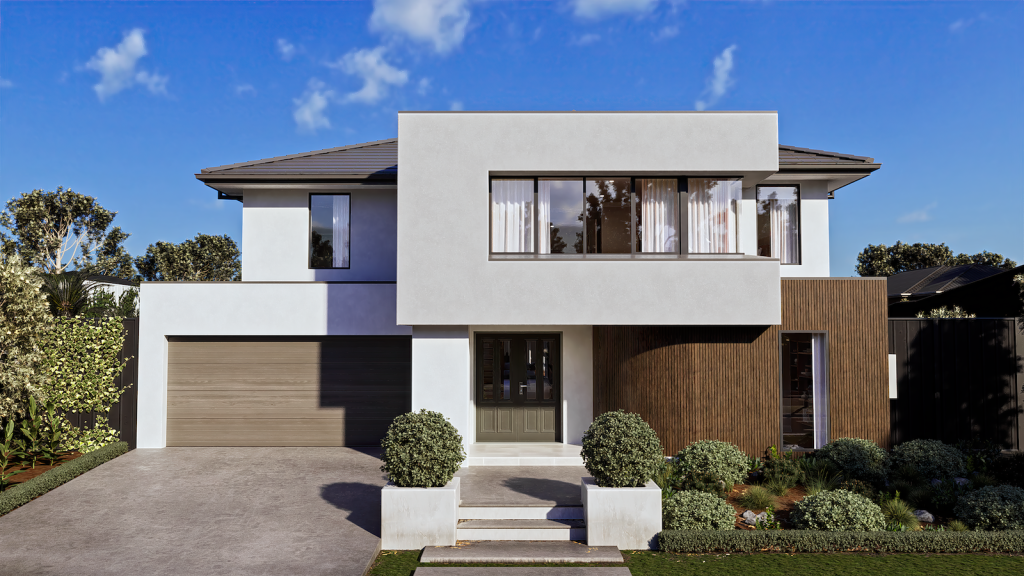
A hybrid approach is emerging, where physical displays are supported by interactive digital homes that allow buyers to explore layouts and options on their own terms. This creates consistency across the journey, giving buyers access to the same home design, but with all the facade/elevation and floor plan options regardless of location or timing.
Physical displays continue to deliver the tactile experience buyers value, while digital exploration extends options understanding, reach and availability. Together, they create a more scalable and resilient display home strategy.
Introducing Away Digital Home – Home Explorer
Away Digital Home – Home Explorer is designed to support this hybrid approach by extending display home programs digitally.
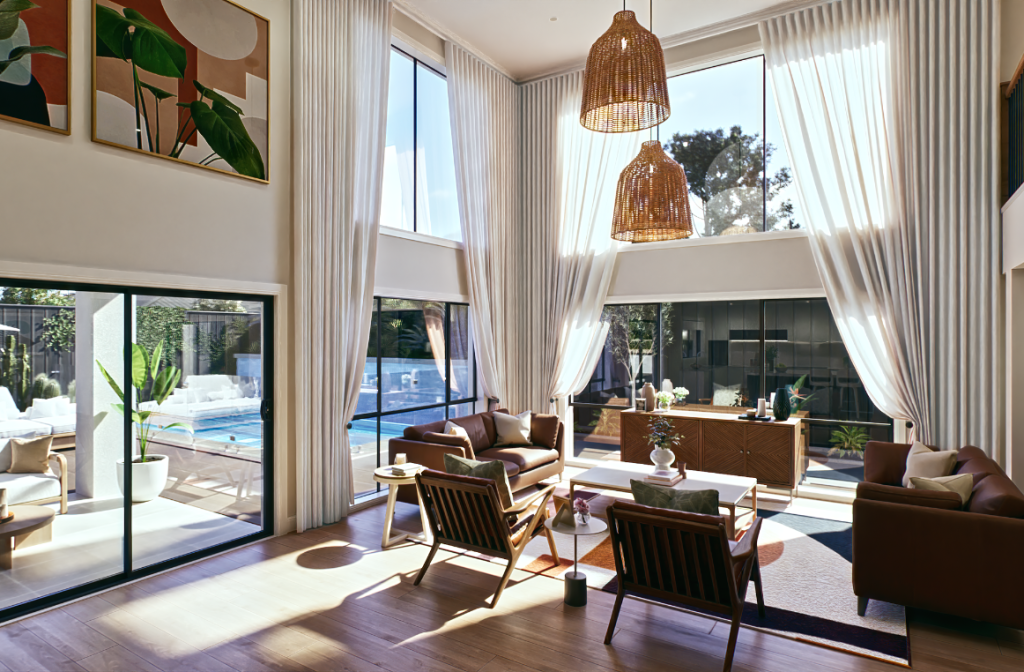
Home Explorer allows buyers to explore homes in a high-fidelity, interactive environment, helping them understand layout, space and configuration without relying on static plans or interpretation.
Rather than replacing display homes, Home Explorer complements them by increasing access and reducing reliance on physical presence alone. Buyers can arrive at a display visit or sales conversation with a clearer understanding of what they are looking for and why.
Why this matters to GMs now
For general managers, this shift is less about marketing and more about control. Enhancing display home programs digitally allows engagement to scale without requiring additional sites, staffing or overhead.
Better prepared buyers lead to more productive conversations, more efficient use of display assets and stronger alignment between expectation and delivery. In constrained conditions, the ability to shape demand earlier and more consistently becomes a source of competitive advantage.
Builders who can maintain visibility, clarity and consistency across markets are better positioned to protect margins and respond to changing demand.
Closing
Display homes are evolving, not disappearing. As buyer behaviour shifts earlier and becomes more digitally driven, the role of interactive visualisation becomes increasingly important.
Builders who complement physical display programs with digital homes gain greater reach, stronger buyer engagement and more resilient pipelines. In a market where efficiency and confidence matter, adapting how display homes are supported is becoming a clear driver of market share.Learn more about how digital visualisation and real-time interactivity are supporting this shift.
Share this